Great Places to Metal Detect for Relics – Top U.S. Locations for History Hunters
Disclaimer:
This post may contain affiliate links, which means I may receive a small commission if you make a purchase through my links, at no extra cost to you. As an Amazon Associate, I earn from qualifying purchases. Thank you for your support!
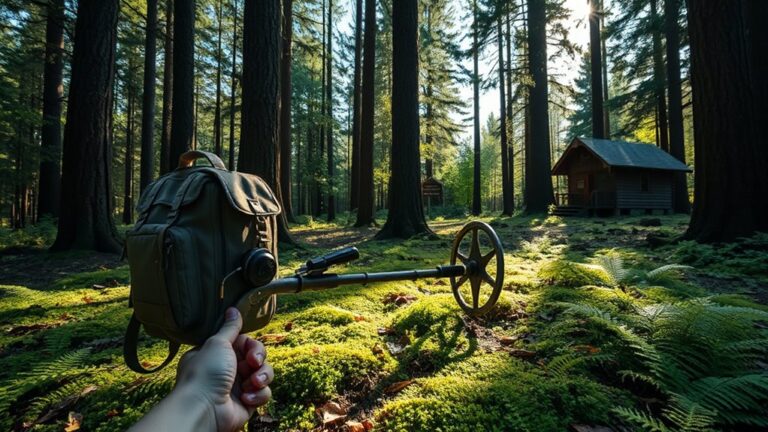
Great Places to Metal Detect for Relics – You can start your relic hunt at old farms and small homesteads, where farm tools and coins hide under old soil.
If you love history, Civil War battlefields and camps offer clues and stories you can uncover with permission.
Beaches, ships, and harbor areas also hold lost items, while parks and fairgrounds still turn up buttons and coins from past days.
With the right gear and permits, you have plenty of chances to uncover surprises waiting just beneath the surface, so stay curious.
Best Relic-Detecting Locations: An Overview
You can kick off with friendly places where history hides, like old homes and farms. You explore ghost towns and mining camps for clues, but stay respectful and legal. Start by checking maps, then ask landowners before you dig, and bring a friend for safety. Favorite spots include old fairgrounds, quiet riverbanks, and near forgotten railroad lines where coins sleep. Bring a pinpointer, a simple shovel, and a notebook to log finds. Stay patient, listen for signals, and photograph each treasure tale. With practice, detecting becomes a cheerful hobby you can share with friends, and maybe teach others. A lightweight detector with an adjustable stem helps maintain comfort during long relic-hunting sessions.
Historic Homes and Farms for Relic Hunting (U.S.)
If you liked those old farm sites, you’ll love hunting historic homes and farms for relics too.
When you search Farmsteads, start near foundations or oak shade where old tools hid. Ask property owners for permission, bring a map, and mark spots with a pin. Homesteads offer quiet hunts, with coins or buttons waiting under root piles or porch steps. Wear comfortable shoes, check holes carefully with a pinpointer, and respect lawns. Document finds, use historical maps, and celebrate small thrills with friends. That mix of old nails, coins, and faded letters makes each trip feel like detective work together. A reliable choice for such hunts is the Garrett AT Pro, known for its straightforward controls and included waterproof pinpointer.
Civil War Battlefields and Camps: Relics by Site Type

Civil War battlefields and camps are treasure troves for relics if you know where to look. Guide your metal detector across fields where troops slept and cooked, then check around camps for signs of lost gear. Look for buttons and small buckles near wagon ruts, campfire rings, and trench lines. Occasionally you’ll uncover swords, buckles, or belt fittings that survived years underground. Move slowly, listen for faint signals, and map remembered routes from old maps. Bring a friend, stay safe, and ask landowners before detecting. Keep notes, share finds, and celebrate small, exciting clues, with patience guiding you this season. A higher frequency detector can improve small relic detection in mineralized soils, making 45-71 kHz frequency ideal for Civil War sites.
Beaches and Maritime Sites: Finds From Waterfronts and Wrecks
On beaches and in harbor areas, surprising treasures can lie just beneath the sand. Set up a detector, listen for signals, and learn what washes ashore from ships, storms, and time. Shipwreck diving trips offer opportunities to chase rusty coins and old names while staying safe near the coastline. Coastal erosion reshapes beaches, revealing new targets after storms and seasons, so stay curious and patient. For tips, start at public beaches, obtain permission where needed, and practice digging shallow, careful holes. Bring a pinpointer, a metal scoop, and a buddy, because safety makes every find feel rewarding today. Keep exploring.
Public Grounds and Gatherings: Fairgrounds, Parks, Churches
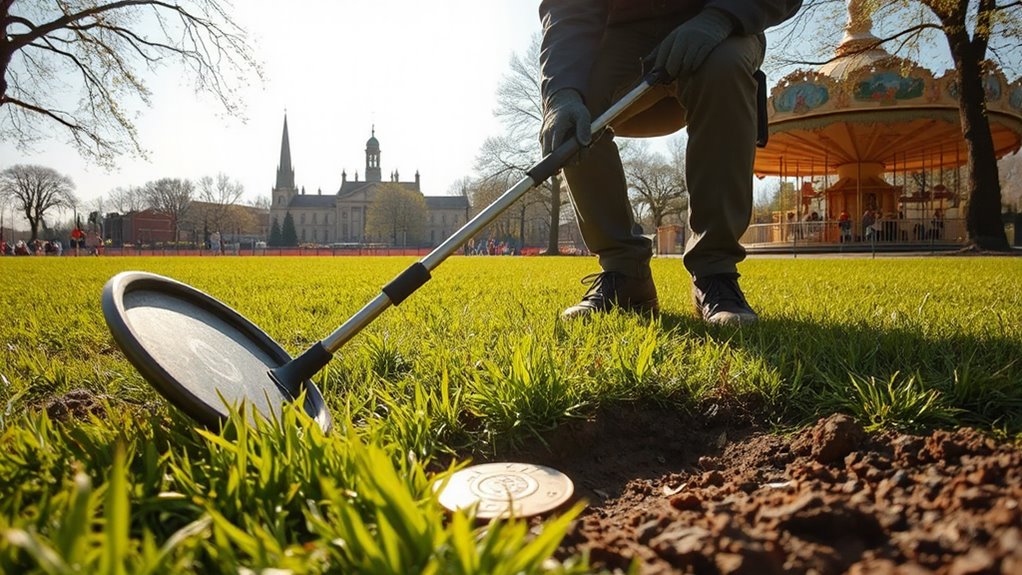
From the shore to town gatherings, you can switch gears to public grounds like fairs and parks. You’ll find coins, buttons, and maybe a ring tucked under bleachers or beside picnic tables. Park picnics become a treasure hunt when kids leave spare change, and adults drop reminders of past fairs. At church events, quiet corners and old sidewalks hold small goodies you can study with a pinpointer and a careful scoop. Go early, ask for permission when needed, and respect those crowds. Bring sunscreen, a small shovel, and a whistle to stay safe. Share finds with friends, and log locations for future hunts. You can catalog patterns, learn history, and meet friendly neighbors along the way.
Frequently Asked Questions
What Legal Considerations Govern Relic Hunting on Public Lands?
On public lands, you must obtain the appropriate permit from the managing agency, follow posted rules, and report any finds. You may also be subject to state and federal laws, artifact preservation guidelines, and any applicable disclosure requirements.
Which Detectors and Settings Work Best for Deep Relics?
For deep relics, use settings that emphasize frequency selectivity and precise ground balance. Select low frequencies for iron-rich soils, fine-tune the balance toward mineral targets, and perform slow, wide sweeps to reveal older, deeper items.
How to Document Finds for Historical Preservation?
Document your finds by creating detailed records and photographing each item. Capture the context, map locations, and timestamps. Archive with dates, coordinates, and circumstances of discovery to support future preservation and ensure verifiable historical value today.
What Safety Gear Minimizes Hazard in Old Sites?
Wear protective eyewear and sturdy footwear, and carry gloves and a hard hat when appropriate. Keep a flashlight, a first aid kit, and a mask handy to minimize hazards and stay safe while surveying old sites.
Which Local Archives Help Verify Site History?
Local archives help verify site history. Begin with deed research and probate records, then examine land deeds, court minutes, and tax rolls. Check with county clerks, historical societies, and library archives for corroborating details.
Conclusion
You can start small and still uncover cool relics, like old coins. Bring a pinpointer, a sturdy shovel, and a notebook to log finds. Choose friendly spots such as farms, beaches, and parks where landowners grant permission. Ask for permission, check the rules, and keep the area neat for future hunts. You’ll learn to read signals, judge good targets, and stay safe. Patience and curiosity turn simple digs into stories you can share with friends nearby.