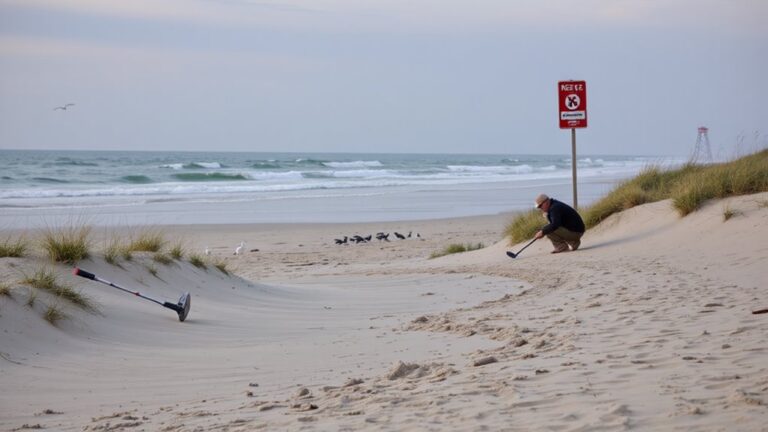
Is Metal Detecting Legal in State Parks
Disclaimer:
This post may contain affiliate links, which means I may receive a small commission if you make a purchase through my links, at no extra cost to you. As an Amazon Associate, I earn from qualifying purchases. Thank you for your support!
Is metal detecting legal in state parks? In many parks, you will need a permit or you must stay within designated areas, and it is important to avoid artifact sites, playgrounds, and wildlife sensitive zones. Below, I will outline how to get authorized and what to watch for, so you can plan a safe and legal hunt. Wondering what steps to take first and where to find official updates? Let’s start.
Is Metal Detecting Legal in State Parks? A Quick First-Look
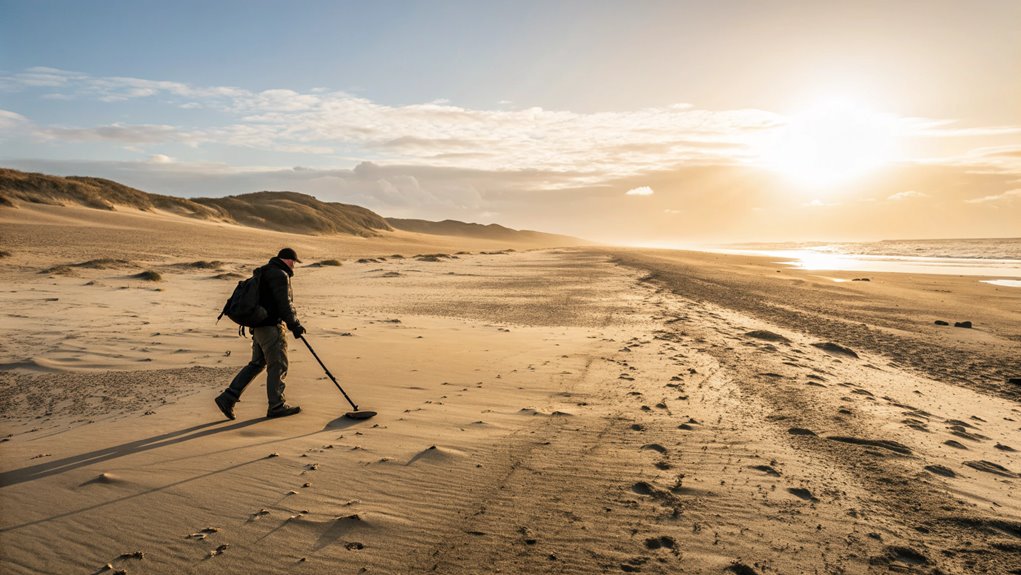
Metal detecting in state parks can be a lot of fun, but rules vary by state, so check first.
I talk with fellow hobbyists who love the thrill of finding old coins and buttons, and I suggest starting with small, easy parks.
Some areas are off limits, while others welcome polite diggers under simple guidelines.
When you explore, you’re not just searching for treasure; you’re practicing responsible metal detecting that protects parks. Keep your gear light, respect posted signs, and fill any hole you dig.
If you find something important, tell a ranger right away. It’s all about recreational detecting that respects wildlife, parks, and other visitors.
You’ll learn fast and enjoy every outdoor moment with friends nearby today.
Where You Can Detect: Designated Zones and State-by-State Examples
Many parks now designate zones where you can metal detect, not the whole park.
Checking zone maps before you go helps me pick the best spots, and I always respect boundaries.
In states like Michigan, designated areas open for detecting come with rules, so I read signs and stay on labeled paths.
Some parks offer permit areas, which means there are special zones you can use.
I chat with rangers and fellow detectorists to learn tips, like keeping holes small and filling them.
If I stay in allowed zones, the hobby stays friendly, safe, and fun for everyone.
Sometimes I explore early mornings when crowds are light, and I leave only memories and a smile.
How to Get a Permit or Authorization

If you want to hunt for coins in a state park, you usually need a permit or written authorization.
Here are simple steps to apply:
- Check the state park’s official site for rules and a contact person.
- Gather required information: your name, the park area, and a plan for where you’ll dig and how you’ll leave the ground as you found it.
- Prepare documents like your ID and a description of your digging plan, plus any local requirements.
- Submit the application online or by mail.
- Wait for approval. If granted, follow rules about timing, permitted tools, and reporting finds.
This process helps keep it legal and safe, and can be a fun activity you can enjoy with friends.
I’ll help you stay patient and prepared for success today.
What’s Banned in State Parks (Common Restrictions You’ll Want to Know)
Before you use a metal detector in state parks, know what’s banned and why it matters.
Rules vary by state, but some restrictions are universal.
Artifact laws protect heritage, so you can’t dig at certain sites or remove items. Respect site protection by staying out of restricted zones like artifact caches and archaeological digs.
Parks may ban metal detecting near playgrounds, in wildlife areas, or on preserved grounds.
Always check maps for designated zones and carry any required permits. If you’re unsure, ask a park ranger for permission and leave things as you found them.
A great day outdoors should respect heritage and nature, keeping parks open for everyone to enjoy.
How Park Rules Are Enforced and Penalties to Expect

Park rules are enforced by rangers who patrol trails, campsites, and designated zones.
Here’s how penalties can work when rules are bent, so you know what to expect. When rangers catch violations, penalties may include Fines, confiscation of items, or bans, depending on the case.
Quick reporting to park staff can help stop issues from getting worse, and you can report concerns too.
By staying within designated areas, following permit rules, and showing respect for artifacts, you reduce the risk of penalties.
A simple tip: carry a map, ask about zone boundaries, and keep gear tidy so others can enjoy the outdoors.
If you do something wrong, stay calm, cooperate with rangers, and learn from the experience, because the pastime stays safe for everyone. See you out there.
Best Practices for Compliant Detecting in Parks
To stay on the right side of park rules, I always check signage and obtain a permit when required.
That small step keeps me safely exploring the best spaces like beaches, trails, and designated parks.
I pack a light kit, respect limits, and keep my tools clean and easy to carry.
Ethical digging means I stop if I hit archaeological finds, and I report them to staff.
For responsible recovery I carry out what I recover, fill holes, and replace the soil flat.
I learn park rules, use designated zones, and show rewards like clear signals, not rejects.
Sharing finds with staff or clubs helps everyone enjoy the hobby and stay safe.
If you stay curious and patient, detecting stays friendly and fun together.
How to Stay Updated: Resources and Reporting Requirements
To stay on the right side of the rules, start with official resources.
I’m happy to guide you, because staying informed keeps a hobby fun and safe.
I regularly check agency contacts and review park notices before I go.
Details are in online databases and state park pages, with lists of permitted areas and required permits. A quick call can answer questions about hours, zones, and rules.
I keep a small notebook of numbers and links so I won’t forget.
Share your findings with friends, log any changes, and respect flags and closures. Staying updated helps us enjoy treasures while protecting parks for everyone.
If you spot new policies, report them to park staff and update your notes.
Frequently Asked Questions
Do Private or Special Events Require Separate Approvals?
Yes, private or special events usually require separate approvals. I will coordinate event waivers and liability insurance, ensure park permits cover detectors, tools, and activities, and follow designated-area rules while obtaining authorization from park administration.
Are Minors Allowed to Detect With Adult Supervision?
Yes, minors may participate with adult supervision where permitted, provided parental consent is obtained, liability waivers are signed, and designated-area rules are followed. I recommend checking park-specific permits to avoid fines or equipment confiscation.
Can I Use Metal Detectors Near Water Bodies in Parks?
Yes, but only in zones where metal detecting is permitted. Many parks restrict access to water bodies. You may conduct beach detecting or river searching where allowed, with a permit and in accordance with the rules, always reporting finds and avoiding sensitive habitats.
Do State Park Rules Differ by County or District?
Yes, they differ by county or district. I’ve seen parks enforce rules through local ordinances and park-specific policies, plus designated historical zones that limit or prohibit detecting. Always check the exact park permit requirements before you go.
Are There Wait Times or Seasonal Bans for Permits?
Yes, there can be wait times and seasonal bans for permits. Permit processing can take weeks. Processing varies; permit availability changes with the season and park workloads, so check the official park site before planning your trip.
Conclusion
Detecting in state parks can be a lot of fun when you follow the rules. Start in designated zones, get any required permit, and bring a map to help plan your search. This approach helps you stay safe, avoid fines, and uncover history with friends. If you’re unsure, ask a park ranger and keep notes of where you searched. Stay patient, bring a small digging tool and a brush, and remember to fill holes. With preparation, this hobby stays easy and exciting.