Best Metal Detector For Gold Nuggets That Pros Actually Use
Disclaimer:
This post may contain affiliate links, which means I may receive a small commission if you make a purchase through my links, at no extra cost to you. As an Amazon Associate, I earn from qualifying purchases. Thank you for your support!
If you are serious about finding real gold, choosing the right equipment matters. The Best Metal Detector For Gold Nuggets is not always the most expensive or flashy models, but they are the ones professionals trust in the field.
These machines are designed specifically for gold prospecting, with features like precise ground balancing and extreme sensitivity to tiny flakes and nuggets. Knowing what separates a casual detector from a true prospecting tool can save you time, money, and frustration.
So what actually makes a metal detector worth the investment, and how do you choose the right one for gold hunting?
| MINELAB Gold Monster 1000 Automatic Gold Detector |  | Best for Beginners | Detection Technology: 45 kHz VLF with 24-bit signal processor | Waterproofing: Waterproof coil up to 3 ft; water-resistant control box | Ground Balance: Automatic ground balance | VIEW LATEST PRICE | Read Our Analysis |
| Nokta The Legend Waterproof Metal Detector with Accupoint |  | Most Versatile Pick | Detection Technology: Simultaneous multi-frequency (SMF) | Waterproofing: IP68 rating; fully submersible up to 10 ft | Ground Balance: Automatic (via multi-frequency technology) | VIEW LATEST PRICE | Read Our Analysis |
| Fisher Gold Bug 2 Metal Detector Coil Combo | 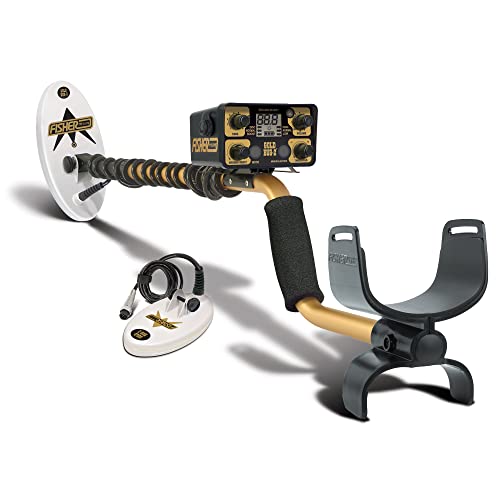 | Maximum Sensitivity | Detection Technology: 71 kHz frequency | Waterproofing: Waterproof coils; moisture-resistant control housing | Ground Balance: Manual 16-turn ground balance control | VIEW LATEST PRICE | Read Our Analysis |
More Details on Our Top Picks
MINELAB Gold Monster 1000 Automatic Gold Detector
If you want a gold detector that practically thinks for you, the MINELAB Gold Monster 1000 is a sweet pick, because its fully automatic setup handles noise canceling, ground balance, and sensitivity while you just swing and listen for nuggets. Its 45 kHz VLF tech and 24 bit signal processor hunt tiny flakes or chunky nuggets without crazy false beeps, even in hot ground. I really like the gold chance indicator and simple touchpad, so you can see if a target’s likely worth digging. The waterproof coil lets you search creek edges, and the telescoping shaft fits tight spots or open washes.
- Detection Technology:45 kHz VLF with 24-bit signal processor
- Waterproofing:Waterproof coil up to 3 ft; water-resistant control box
- Ground Balance:Automatic ground balance
- Search Coils Included:Single coil (size not specified in details)
- Iron Discrimination:Gold (iron reject) mode
- Battery Life:Not specified
- Additional Feature:Fully automatic operation
- Additional Feature:Gold chance indicator
- Additional Feature:Touchpad interface
Nokta The Legend Waterproof Metal Detector with Accupoint
Nokta’s The Legend with Accupoint suits you perfectly when you want one detector that hunts tiny gold nuggets, coins, and jewelry without needing a bunch of different machines. Its simultaneous multi‑frequency tech handles tricky ground, like hot desert soil or black sand, so you can chase small nuggets in spots that scare weaker detectors. The waterproof 12 inch coil and IP68 rating let you search in rivers, creeks, or wet sand without worry. I love that the battery can last up to twenty hours, so bring a power bank, stay out all day, and let the Accupoint pinpointer speed up every recovery.
- Detection Technology:Simultaneous multi-frequency (SMF)
- Waterproofing:IP68 rating; fully submersible up to 10 ft
- Ground Balance:Automatic (via multi-frequency technology)
- Search Coils Included:Single 12″ x 9″ waterproof DD coil
- Iron Discrimination:Optimized for gold prospecting in mineralized fields
- Battery Life:Up to 20 hours per charge
- Additional Feature:Included Accupoint pinpointer
- Additional Feature:Simultaneous multi-frequency technology
- Additional Feature:USB charging compatible
Fisher Gold Bug 2 Metal Detector Coil Combo
You’ll love that it only weighs 2.9 pounds, hip mounts easily, and runs up to 35 hours on two 9 volt batteries.
- Detection Technology:71 kHz frequency
- Waterproofing:Waterproof coils; moisture-resistant control housing
- Ground Balance:Manual 16-turn ground balance control
- Search Coils Included:Two coils (6″ and 10″ elliptical)
- Iron Discrimination:Iron discrimination mode filters ferrous trash
- Battery Life:Up to 35 hours (two 9-volt alkaline batteries)
- Additional Feature:Manual 16-turn ground balance
- Additional Feature:Audio boost amplification
- Additional Feature:Two coil system included
Factors to Consider When Choosing a The Best Metal Detector for Gold Nuggets
Now that you’ve got the basics down, it’s time to think about what really matters when you’re picking the best metal detector for gold nuggets. You’ll want to consider things like operating frequency and technology, how well it handles mineralized ground, its sensitivity to small gold, coil size and waterproofing, and how easy it is to learn. I’m going to walk you through each of these factors so you can make a smart choice that fits your prospecting style and the places you want to search.
Operating Frequency & Technology
Even though all metal detectors send signals into the ground, the frequency and tech they use really decides how well they sniff out tiny gold. Higher frequencies, like 45 to 71 kHz, pick up smaller nuggets that lower frequencies miss. Multi-frequency detectors work even better, scanning with multiple signals at once to handle tricky mineralized soil. I’d also look for iron discrimination modes, which filter out trash metal while keeping gold signals strong. Ground balance controls matter too, whether manual or automatic, helping you deal with black sand and hot rocks. Finally, advanced signal processors boost sensitivity to small targets while cutting down on false signals. These features combine to make your gold hunting way more successful and fun.
Ground Balance & Mineral Handling
Starting with the dirt itself, good ground balance is what keeps your detector from going crazy in hot soil. When you’re hunting in mineralized ground, your detector picks up signals from iron and black sand, not just gold. Ground balance lets you subtract those unwanted signals so you can focus on real targets.
You’ve got options here. Manual ground balance with a fine-control knob gives you precise tuning as soil conditions change, which improves your depth and stability. Some detectors offer automatic ground balance that adjusts continuously while you hunt, so you don’t have to fiddle with settings constantly.
In really tough ground, try switching to a smaller coil or lowering your sensitivity. This combo keeps you detecting gold while cutting down on false signals that’ll drive you nuts. The right ground balance setup makes all the difference between frustration and success.
Gold Sensitivity & Target Discrimination
I also like having manual ground balance controls and an audio boost, so I can tune for black sand then lift faint whispers without blasting my ears on shallow targets. If you hunt lots of different spots, a good multi‑frequency detector really helps keep things stable.
Coil Size & Waterproof Rating
A big part of finding more gold is matching your coil size and waterproof rating to the spots you like to hunt, because a tiny 6 inch coil can snake between rocks and separate little targets, while a chunky 10 or 12 inch coil covers more ground and sniffs out deeper nuggets. I like small coils when I’m chasing tiny pickers in trashy washes or between boulders, where tight swings and sharp target separation really matter. Larger round coils feel great on open flats, since they reach deeper nuggets and speed up coverage. I also watch waterproof ratings, because an IP68 coil lets me wade shallow creeks, damp riverbanks, and wet, mineralized ground without stressing every splash.
Ease Of Use & Learning Curve
Once you’ve got your coil dialed in, how easy your detector is to master becomes the next big consideration. Touchpad interfaces with simple icons and menus keep things friendly, and automatic ground balance and sensitivity controls really cut down the learning curve, so you can focus on listening for gold instead of fighting the settings. Simultaneous multi‑frequency tech also helps, since it adjusts to tricky ground for you, which means less fiddling and more swinging.
If you’re a tinkerer, a manual 16‑turn ground balance gives super fine control, it just takes more practice. Audio boost is another helper, it brings out faint, deep signals without blasting your ears on shallow targets. Long battery life and light weight keep you hunting longer, without feeling worn out.
Weight, Ergonomics & Portability
Because you’ll be swinging a detector for hours at a time, the weight and how it feels in your hands really matter. Most beginner-friendly detectors weigh under 3 pounds, which keeps your arm from getting tired. Look for models with telescoping shafts so you can adjust them to fit your height and posture on uneven ground. Detectors that fold up into small packages, like the Gold Pan, are super portable for backpacking and travel. Some detectors have cushioned armrests and foam grips that make long hunts way more comfortable. Hip-mountable control housings shift weight off your arm, reducing strain. When you’re picking a detector, prioritize comfort features over fancy technology, so you’ll actually want to get out there and hunt.
Battery Life & Power Options
When you’re hunting for gold nuggets, your detector’s battery life can make or break your day in the field. I always look at how long a detector runs, because some use two 9‑volt batteries for up to 35 hours, while rechargeable packs might give around 20. Rechargeables are super handy, since many detectors now charge by USB, so you can top them off with a powerbank in your truck.
High frequencies, like 45 kHz or even 71 kHz, and audio boost settings drain power faster, so I only crank them up when I really need extra sensitivity. Tough, moisture‑resistant housings help in wet ground, but I still check the waterproof rating before splashing around creeks.
Frequently Asked Questions
How Often Should I Clean My Metal Detector to Maintain Optimal Performance?
I clean my metal detector after every hunt, wiping the shaft and control box and rinsing the coil, then do a more careful inspection and deep clean every few months or whenever it’s been used in harsh conditions.
What Is the Proper Way to Store a Metal Detector When Not in Use for Extended Periods?
I store my detector clean and dry, remove the batteries, loosely coil the cable, and keep it in a cool, dust‑free indoor spot, ideally in a padded case, away from sunlight, moisture, and heavy objects.
Can I Open My Metal Detector Myself to Fix Internal Issues or Replace Parts?
You generally shouldn’t open it yourself; I’d only handle simple, external replacements like coils, cables, or knobs and leave internal electronics or waterproof housings to authorized service to avoid damage and voiding the warranty.
How Should I Clean Gold Nuggets After Extracting Them From the Ground?
I gently rinse the nuggets, soak them in warm soapy water, then scrub with a soft toothbrush to remove dirt. I avoid harsh brushes or strong acids so I don’t scratch or dull them.
What Maintenance Mistakes Could Permanently Damage My Metal Detector’s Detection Capabilities?
Using cheap batteries, opening the control box, ignoring cracks in the coil, letting cables fray, soaking non‑waterproof parts, using harsh cleaners, or repeatedly dropping the shaft can all permanently reduce your detector’s sensitivity and depth.