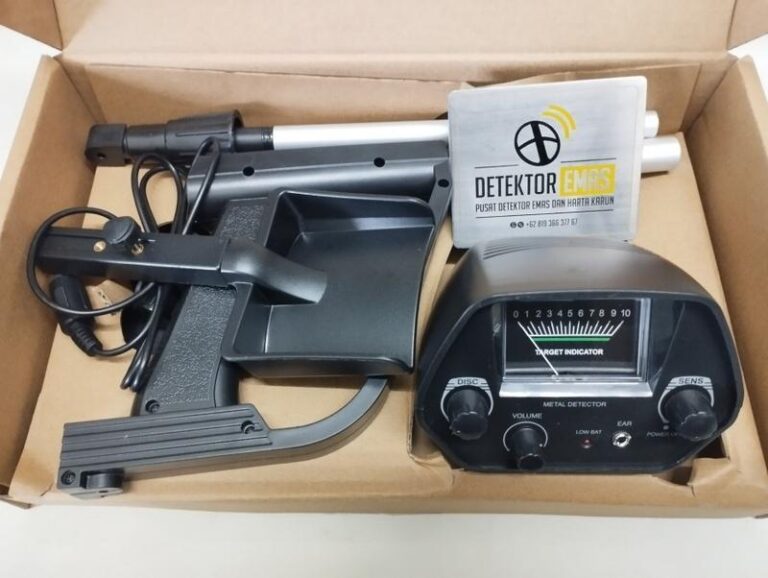
Best Metal Detectors of 2026: Expert Reviews & Buyer’s Guide
Disclaimer:
This post may contain affiliate links, which means I may receive a small commission if you make a purchase through my links, at no extra cost to you. As an Amazon Associate, I earn from qualifying purchases. Thank you for your support!
Finding your first metal detector – or upgrading to something better – can feel overwhelming when you’re staring at dozens of models with wildly different price tags. Some detectors cost less than a nice dinner out, while others run into the thousands. So what actually separates a $150 beginner model from a $1,500 professional rig?
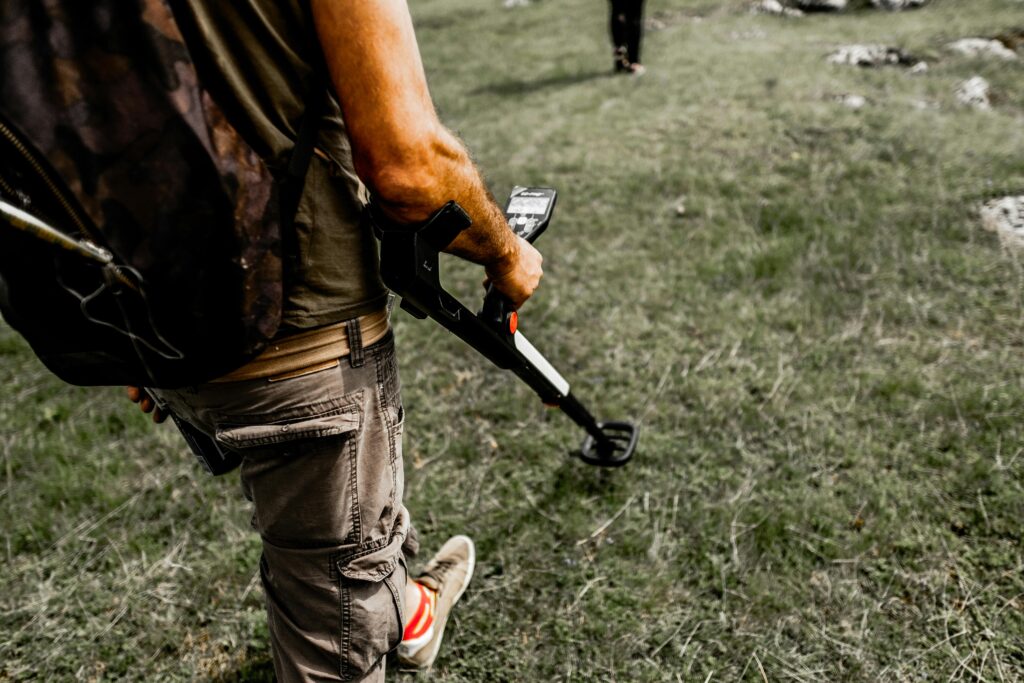
After testing the latest models and talking to seasoned treasure hunters, I’ve narrowed down the best metal detector options for 2026. Whether you’re hoping to find lost jewelry at the beach or serious about uncovering historic relics, there’s a detector here that’ll match your goals and budget.
What Makes a Metal Detector Worth Your Money
The best rated metal detectors share a few things in common, though they might look different on paper. Detection depth matters – you want something that can reach beyond the first few inches of soil where most people have already searched. Ground balance technology helps your detector ignore mineralized soil and focus on actual targets instead of false signals.
Build quality shows up after your tenth hunt, not your first. Waterproof coils mean you won’t panic if it starts raining or you want to wade into shallow water. Wireless headphones aren’t just convenient – they eliminate that annoying cable that catches on branches and gets tangled when you’re trying to dig.
Target identification systems vary wildly between models. Basic detectors give you simple beeps, while advanced units display exactly what’s buried and how deep. The difference between digging 50 holes for trash versus 5 holes for treasure is huge when you’ve been out for three hours.
Top Metal Detectors for 2026
Minelab Manticore – Best Overall Performance
The Minelab Manticore sits at the top for good reason. This thing usually costs around $1,299 to $1,599, but you’re getting multi-frequency detection that can identify multiple metal types simultaneously. The target identification is scary accurate – it’ll tell you whether that signal is a bottle cap or a silver coin before you start digging.

It’s fully waterproof, handles saltwater beaches without throwing false signals, and the display is bright enough to read in direct sunlight. The learning curve is steeper than budget models, but experienced detectorists appreciate the customization options. If you’re serious about this hobby and want a detector you won’t outgrow, this is the one.
XP Deus II – Most Versatile Choice
The XP Deus II usually runs between $1,219 and $1,399 depending on configuration. What makes it special is the modularity – you can swap coils for different hunting conditions and upgrade components as your skills improve. The wireless system is rock solid; you won’t deal with audio dropouts or interference.
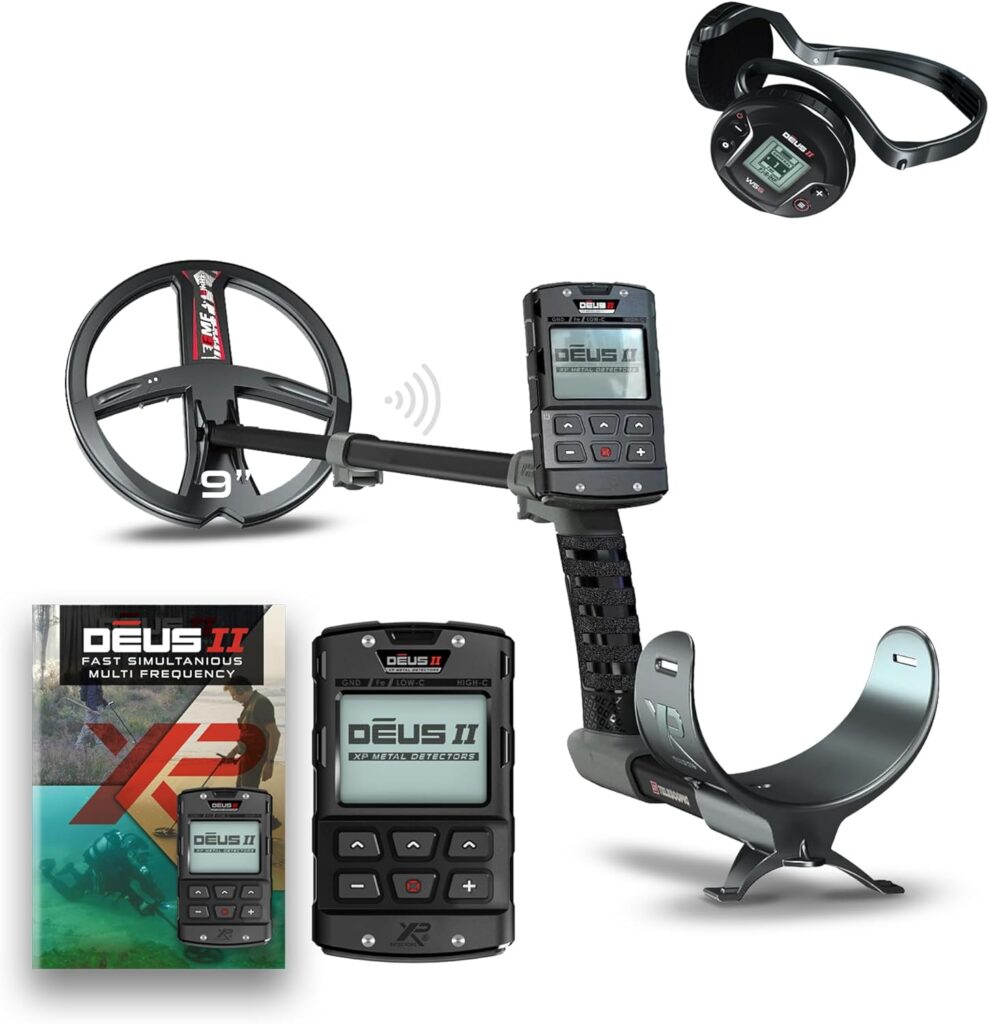
This detector shines in trashy environments where there’s a mix of junk and treasure. The recovery speed is phenomenal, meaning it can distinguish between two targets that are close together. Park hunters and relic seekers particularly love this model because it doesn’t miss small targets even when there’s iron trash everywhere.
Nokta Simplex Ultra – Best Mid-Range Value
You’ll find the Nokta Simplex Ultra priced around $599, and honestly, it punches way above its weight class. The ergonomics are exceptional – that padded grip makes a real difference when you’ve been swinging for a few hours. It’s waterproof up to 16 feet, comes with wireless headphones, and has enough features to keep intermediate hunters happy for years.
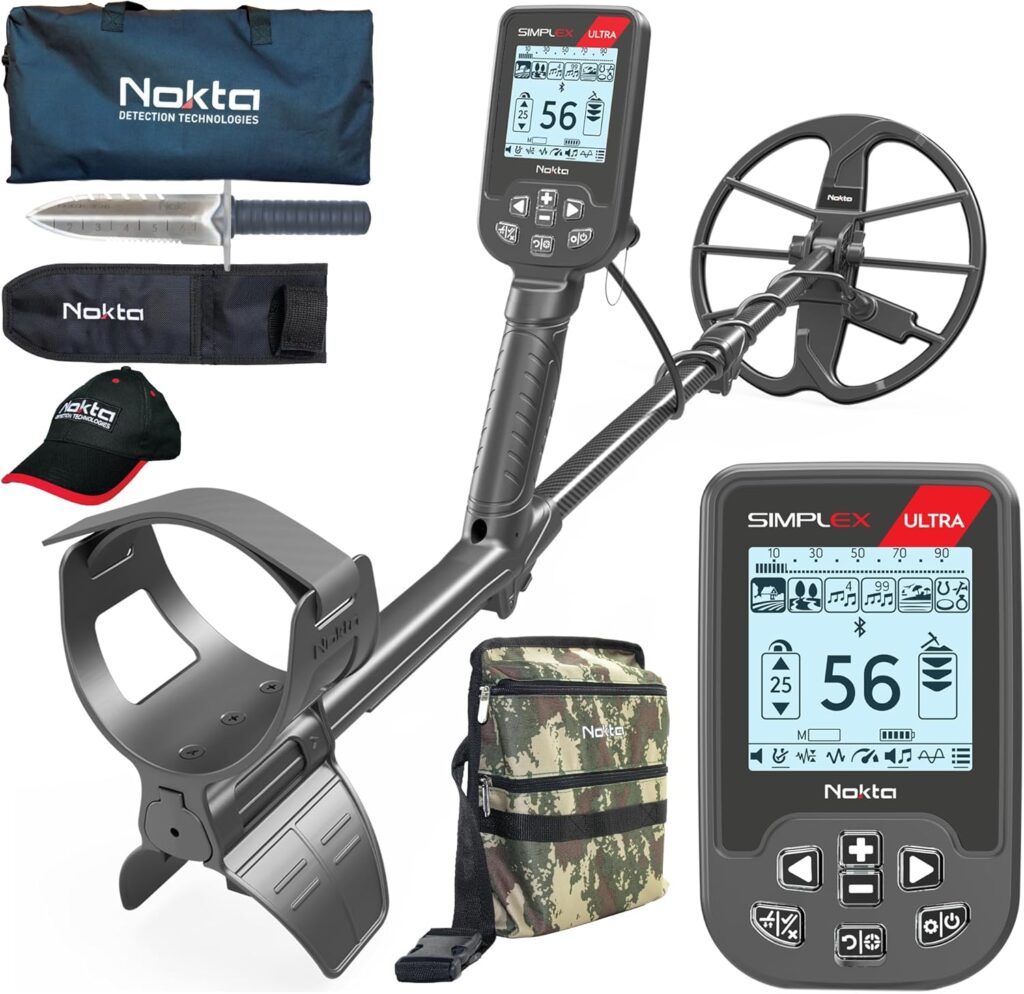
The preset hunting modes work great right out of the box. You can hunt in parks, fields, or beaches without spending an hour tweaking settings. For the money, this represents one of the best metal detectors you can buy if you don’t need bleeding-edge technology.
Minelab X-Terra Pro – Excellent All-Rounder
The X-Terra Pro costs about $699 and occupies an interesting space between beginner and professional models. It offers variable frequency detection, meaning you can tune it for different types of metal depending on what you’re hunting. The waterproofing is genuine – not just a splash-resistant coil but full submersion capability.

That magnetic charging connection is a small detail that matters more than you’d think. No fumbling with rubber port covers that eventually tear. The interface isn’t dumbed down, but it’s not overwhelming either. New users can grow into its capabilities without hitting a ceiling six months in.
Garrett AT Pro – Time-Tested Reliability
The Garrett AT Pro has been around for years, and there’s a reason it’s still recommended. Usually priced between $580 and $699, it offers solid all-terrain performance with straightforward controls. The pro audio mode gives you detailed sound feedback about targets – experienced users can often identify what they’ve found just by listening.
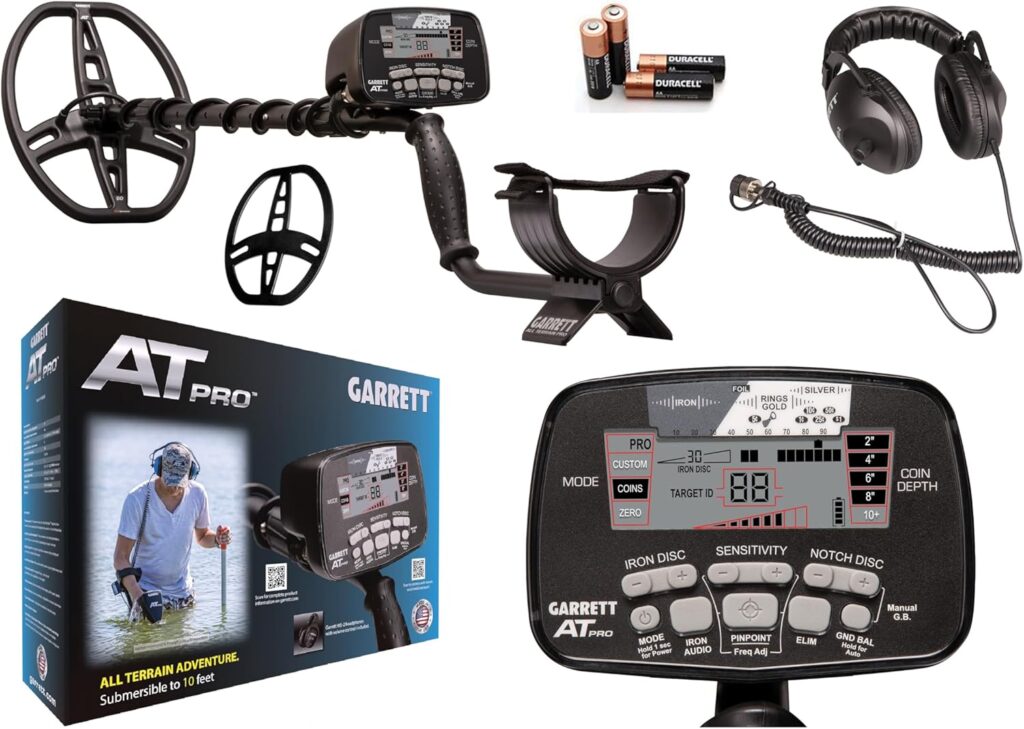
It includes a waterproof pinpointer in most bundles, which is incredibly helpful for final target location. The 15 kHz frequency provides good depth on coins and jewelry. It’s not the newest technology, and it doesn’t have wireless audio, but it’s proven and dependable.
Garrett ACE 400 – Best Budget Performer
For around $340, the Garrett ACE 400 delivers features you’d expect on pricier units. The digital target ID scale runs from 0-99, giving you solid discrimination capability. Iron audio is a standout feature – it lets you hear ferrous targets while still seeing other target information on screen.

The waterproof coil handles rain and puddles fine, though this isn’t a detector for underwater hunting. Many retailers bundle it with the Pro-Pointer AT, which significantly boosts value. It’s perfect for coin and jewelry hunting in parks, schoolyards, and dry sand beaches.
Minelab Equinox 800 – Gold Hunting Specialist
The Equinox 800, priced at around $799, is favored by gold prospectors and beach hunters. Multi-IQ technology means it’s simultaneously detecting across multiple frequencies – you’re not missing targets because you picked the wrong frequency. The gold mode is specifically tuned for small nuggets that single-frequency detectors often miss.
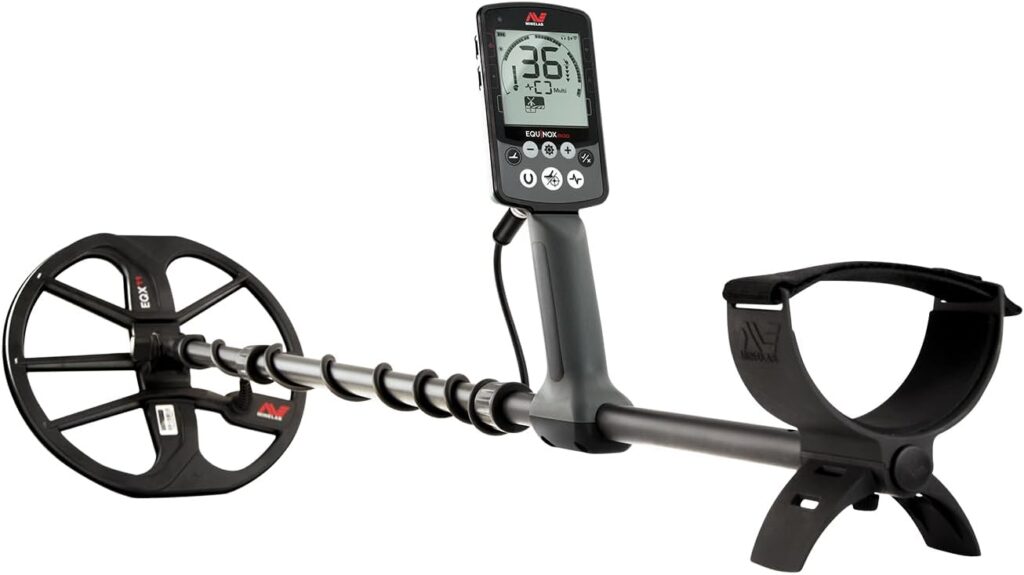
It’s lightweight enough for all-day prospecting trips and waterproof to 10 feet. The Bluetooth headphones work flawlessly. If gold hunting or saltwater beaches are your primary focus, this deserves serious consideration despite not being the newest model on this list.
Understanding Metal Detector Prices
So how much is a metal detector really going to set you back? Entry-level models start around $100-$300 and work fine for casual use in parks or your backyard. These are great for learning the basics without major financial commitment.
Mid-range detectors run $300-$700 and represent the sweet spot for hobbyists who want better performance without professional pricing. You get improved depth, better discrimination, waterproofing, and features that make hunting more efficient and enjoyable.
Professional metal detectors cost $700-$1,500 for most purposes, though specialized gold detectors can exceed $3,000. The jump in price brings multi-frequency detection, advanced target identification, superior build quality, and features that serious treasure hunters rely on for consistent finds.
A good metal detector for serious hobbyists typically costs between $500-$900. That’s the range where you get genuinely capable machines without paying for ultra-specialized features most people don’t need.
What Separates Beginners from Professionals
Beginner models focus on simplicity – preset modes, lightweight construction, and straightforward controls that let you start hunting immediately. They typically detect common targets like coins and jewelry down to about 8-11 inches in favorable soil conditions. The trade-off is less customization and reduced performance in challenging environments with heavy mineralization or saltwater.

Professional detectors offer adjustable ground balance, customizable sensitivity, multiple frequency options, and discrimination patterns you can fine-tune for specific targets. They penetrate deeper, handle difficult terrain better, and provide more detailed target information. But they require knowledge to use effectively – all those features mean nothing if you don’t understand when and how to adjust them.
The environment you’ll hunt matters more than you might think. Parks and dry beaches are forgiving – basic detectors perform well there. Wet saltwater sand, mineralized soil, and areas with lots of trash require advanced features to avoid constant false signals.
Where Can You Buy a Metal Detector
Authorized dealers like Detector Warehouse, Kellyco Detectors, and LP Metal Detecting offer the widest selection with manufacturer warranties. You’ll pay retail prices, but you get expert advice, proper documentation, and return policies if something isn’t right. These shops often bundle accessories like pinpointers, headphones, and digging tools for better value.
Amazon carries most major brands and sometimes offers competitive pricing, though you’ll want to verify you’re buying from authorized sellers to ensure warranty coverage. Local metal detecting shops provide hands-on experience – you can actually hold different models and get a feel for weight and balance before buying.
Avoid random online sellers offering prices that seem too good to be true. Counterfeit detectors exist, and grey market units won’t have valid warranties. Stick with established retailers who are authorized by manufacturers like Minelab, Garrett, Nokta, and XP.
Top Brand Metal Detectors
Minelab leads in advanced technology, particularly multi-frequency detection systems that outperform older single-frequency designs. Their detectors cost more but offer cutting-edge performance for serious hunters.
Garrett makes rock-solid detectors across all price points, from the $149 ACE 200 to advanced models over $700. They’re known for reliability and excellent customer service. If you want something that just works without drama, Garrett delivers.
Nokta offers tremendous value – their detectors include features that competitors charge significantly more for. Build quality is excellent and they’re aggressive about including accessories other brands sell separately.
XP specializes in wireless, modular systems for detectorists who want ultimate flexibility. Their detectors feel futuristic compared to traditional designs, though that innovation comes with a learning curve.
Frequently Asked Questions
Q: What is the best metal detector to buy in 2026?
A: The Minelab Manticore offers the best overall performance with multi-frequency detection and advanced target identification, though the Nokta Simplex Ultra provides exceptional value at a mid-range price point.
Q: How much does a good metal detector cost?
A: Quality metal detectors for serious hobbyists range from $500-$900, while professional models run $700-$1,500 depending on features and specialization.
Q: Who makes the best metal detector brands?
A: Minelab, Garrett, Nokta, and XP are the top manufacturers, each excelling in different areas – Minelab for technology, Garrett for reliability, Nokta for value, and XP for innovation.
Q: Where can you buy a metal detector?
A: Purchase from authorized dealers like Detector Warehouse, Kellyco, or LP Metal Detecting to ensure warranty coverage and authentic products.
Choosing Your First (or Next) Detector
The best metal detector for you depends on where you’ll hunt and how committed you are to the hobby. If you’re testing the waters, the Garrett ACE 400 or Nokta Simplex Ultra won’t disappoint without breaking the bank. Beach hunters should prioritize waterproofing and saltwater capability – the Equinox 800 or Manticore make sense there.
Serious treasure hunters eventually gravitate toward multi-frequency detectors like the Manticore or XP Deus II because they simply find more targets in challenging conditions. The extra cost stings initially, but finding valuable items that cheaper detectors miss makes up for it pretty quickly.
Whatever you choose, remember that the recommended metal detectors on this list all come from established manufacturers with solid reputations. You won’t go wrong with any of them – it’s really about matching features to your specific needs and budget. The detector that gets used every weekend is infinitely better than the most advanced model that sits in your closet because it’s too complicated or heavy to enjoy using.