Metal Detecting in Texas Hotspots: Tips for Every Beginner
Disclaimer:
This post may contain affiliate links, which means I may receive a small commission if you make a purchase through my links, at no extra cost to you. As an Amazon Associate, I earn from qualifying purchases. Thank you for your support!
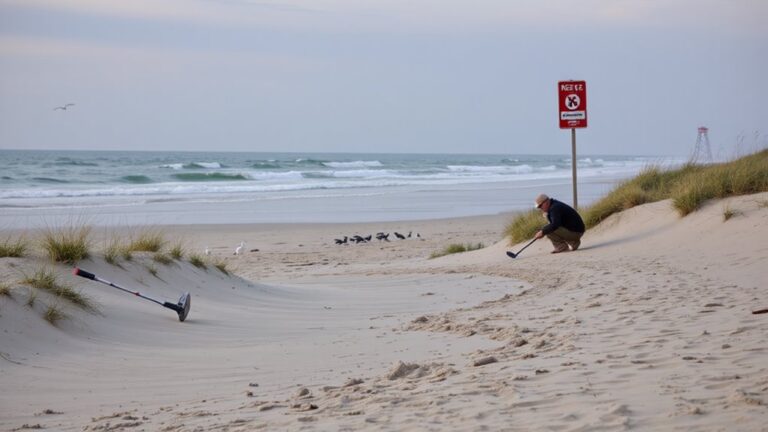
Metal detecting in Texas hotspots can be done without a huge budget, and the journey itself can be rewarding even before you uncover big treasures.
Start with a basic detector, learn the fundamentals, and explore parks and beaches after rain when more targets surface.
Plan for future upgrades, like better headphones or a pinpointer, and keep a log of your finds to watch your progress grow.
The next step in your Texas metal detecting adventure may surprise you.
What Every Detectorist Should Know About Legal Boundaries

Understanding legal boundaries keeps the fun going without the trouble of fines or conflicts with landowners. Do your homework, ask for permission, and follow rules. If you own land, explain why a find matters and offer fair terms. If you don’t own the land, talk to the owner and keep notes about any agreements.
Always document permission in writing, define digging methods, and agree how to handle holes. Remember that ownership of finds often belongs to the landowner unless a contract says otherwise. Keep searches focused, avoid digging near structures, and leave the site cleaner than you found it. With careful property research and solid landowner relations, your treasure hunts stay legal and enjoyable. Stay curious, patient, and respectful, and you’ll uncover great finds. A reliable machine like the Garrett AT Pro can enhance your detecting success while staying within legal limits.
Private Property: Getting Permission and Protecting the Land
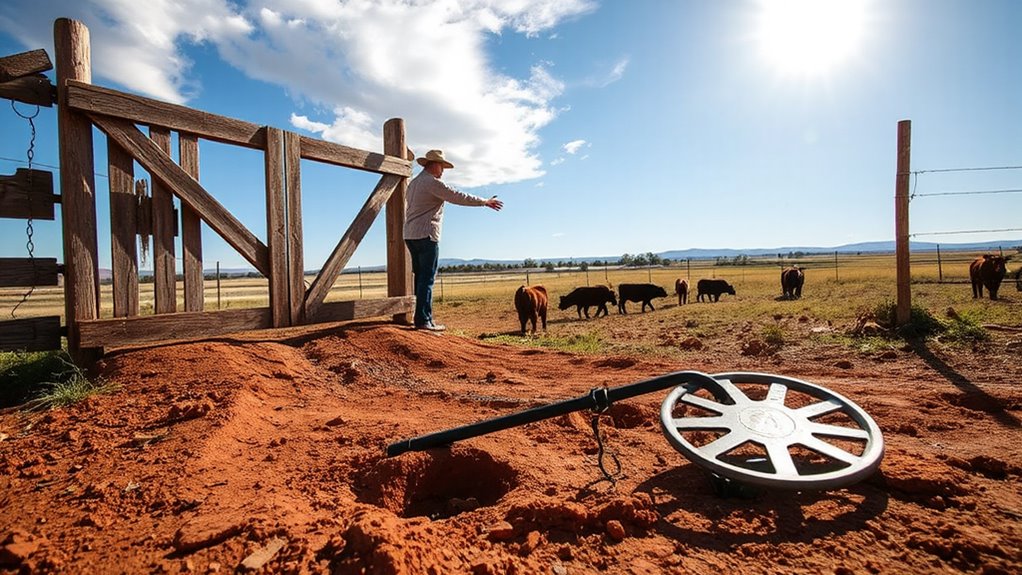
Getting permission for private property hunts starts with clear, written consent. You’ll talk to the landowner to explain what you plan to do, how you will fill holes, and when you’ll hunt. Put details in writing and keep copies for both sides. Landowner agreements protect you and the owner and set rules to prevent disputes.
Key points to cover:
- Compensation if you find something valuable, and any splits or buyouts arranged in advance.
- Polite, patient, and transparent communication, showing respect for the land, crops, and livestock.
- Practical gear: a simple metal detector, a small trowel, and a plan for restoring digs to keep neighbors happy.
This approach helps you earn trust and keeps hunts safe and enjoyable for everyone involved.
A lightweight detector with optimal weight range reduces fatigue during extended searches.
Public Lands: Parks, Schools, and City Rules
Parks, schools, and city spaces are great places to metal detect, as long as you follow the rules. You can learn local rules at the park office, ask staff, and respect other visitors. With patience you’ll find modern coins, rings, and sometimes old finds, and you’ll keep it fun for everyone.
- Know where you can dig and where you must not
- Ask for park access and any required permit ahead of time
- Respect school grounds signs and posted rules during lunch hours
- Take permission from owners when detecting near private edges of parks
- Fill holes, pack soil, and leave the area cleaner than you found it
Federal Lands and USACE: What’s Allowed, What Isn’t
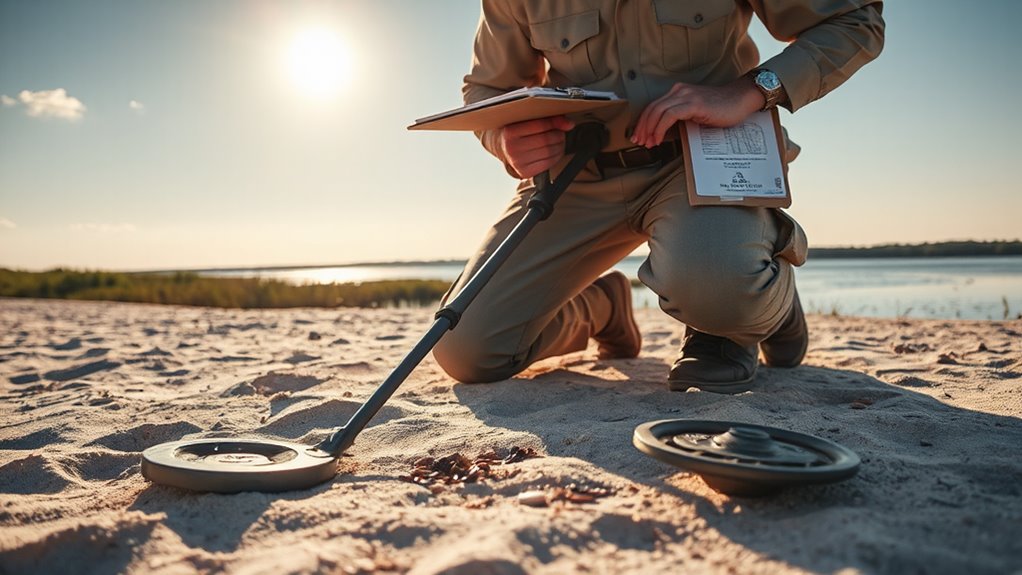
On federal lands like USACE lakes, you should detect only in pre-disturbed areas such as swim beaches and designated recreation zones. Your lake access points and shoreline rules will shape where you hunt, so plan before you go. A quick check with the district office helps you stay compliant and still enjoy the hunt.
Bring a small scoop and a pinpointer, and respect signs about protected spots. If you find something old, note the location and stop digging near historical sites. Remember to leave the area tidy, fill holes, and thank park staff. Detecting here is fun, safe, and part of a bigger adventure. Stay patient and curious, and you might uncover modern coins or neat trinkets along the shore. Many budget-friendly detectors offer 8-10 inch detection depth, making them effective for finding coins in shallow, sandy areas.
Best Practices: Permits, Reporting, and Ethical Conduct

Before you dig, check permit rules for the park or site and obtain approval. Permits keep places safe and fair, and they help you learn the rules with a smile. When you metal detect, practice responsible digging and respect artifact preservation, sharing finds only when allowed. Report notable finds to park offices or landowners, especially if the area looks sensitive. Have fun, stay curious.
- Obtain written permission for private property to prevent disputes.
- Respect park rules, time limits, and designated digging zones.
- Leave holes shallow, fill them properly, and restore ruts.
- Document finds briefly, and use official reporting channels.
- Practice artifact preservation by avoiding curation or throwing items.
If You Find Artifacts: Steps to Take and Document
If you find artifacts, stay calm, put the item in a safe pouch, and stop digging. Next, leave the find where it rests and review park or site rules before taking any action. Then, report your find to the right authority, such as park staff or a landowner, depending on where you are.
Grab your notebook or phone and start artifact documentation with clear notes. Write the location, date, and description, plus photos if allowed. Avoid cleaning, and never keep valuables without permission. Reporting finds helps protect history, and you may learn about the object’s age from experts. If you can, log the item in a local database or report form. Be honest and excited, and share what you learn from every discovery today.
Frequently Asked Questions
Which Texas Counties Have Relaxed Permitting for Metal Detecting?
A number of Texas counties have loosened permit rules for metal detecting on certain public lands, easing beach detecting in designated zones. Check with local park offices for current rules; you’ll still face restrictions on public lands and private beaches before you hunt today.
Are There Seasonal Park Closures Affecting Detecting in Texas?
Yes, some Texas parks close seasonally. Check with each park’s management before you go. Spring floods and winter ice can trigger temporary closures, which can affect access to beaches, fields, and designated detector zones.
What Safety Gear Increases Detection on Crowded Urban Fields?
Yes, wear hearing protection and pinpointers to boost awareness and safety; in crowded urban fields you’ll stay mindful of others, locate targets faster, and avoid accidental digging, while keeping your detectors and feet protected daily.
How Should You Approach Documenting Finds for Private Landowners?
Document finds for private landowners by maintaining clear records that include: date, coordinates, description, estimated value, and photographs. After locating items, prepare a formal find report detailing findings, obtain written permission from the landowner, and provide updates and receipts as appropriate.
Which Local Treasure-Hunting Clubs Offer Access to Sites?
Yes—local treasure-hunting clubs provide access through member benefits, such as organized digs and site maps. Members receive permissions, guided hunts, and risk-reducing coordination. Contact your club to view site maps and available finds.
Conclusion
Discovering hidden treasures is a blast when you know the rules and stay respectful. You can enjoy riverbeds, parks, and school grounds in Texas, as long as you ask for permission and follow local regulations. Always fill holes, report big finds, and keep the area clean for others to enjoy. With the right permits and a responsible mindset, metal detecting becomes a simple, fun hobby you can share with friends. So grab your detector and explore today, cheerfully.