
Can You Metal Detect in National Forests? Rules, Regulations & Permissions
Disclaimer:
This post may contain affiliate links, which means I may receive a small commission if you make a purchase through my links, at no extra cost to you. As an Amazon Associate, I earn from qualifying purchases. Thank you for your support!
Can You Metal Detect in National Forests?
You can metal detect in National Forests, but you have to follow the rules and get the right permissions.
Start by checking with the local forest office, because rules change by place and season, and you may need a permit for certain areas.
You’ll also want to avoid sensitive sites and report interesting finds to the forest service.
With the right prep, you can enjoy a rewarding day of digging, but there’s more to learn.
Let’s start exploring the basics together.
National Forest Metal-Detecting Rules: What’s Allowed and What Isn’t
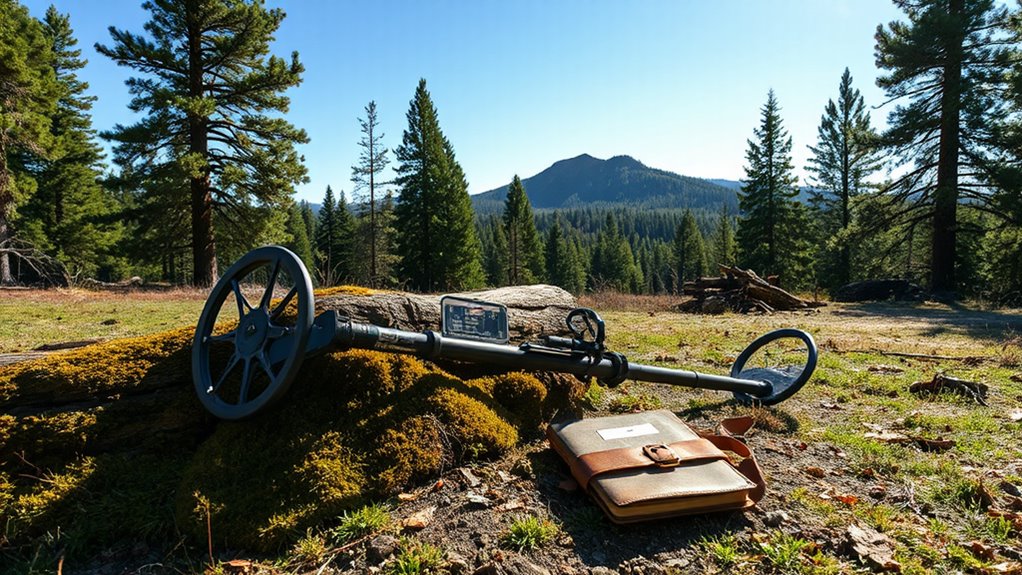
National Forest Metal-Detecting Rules: What’s Allowed and What Isn’t
- In many national forests, metal detecting is allowed in designated recreation areas and some natural spaces, but rules vary by location. Always check with the local forest office before you go.
- Detect only in areas where it’s permitted. If in doubt, ask for permission or guidance from land managers.
- Avoid known archaeological sites, culturally sensitive areas, and relic sites. Preserve the integrity of the site and respect other visitors.
- Practice responsible detecting: stay on trails when possible, fill in holes, and leave areas as you found them. Minimize impact on soils and vegetation.
- Carry a current map and follow any posted regulations, permits, or seasonal restrictions. Plan ahead and respect closures.
- Use common sense around fragile environments, wildlife, and other hikers. Respect other users’ experiences and privacy.
- Keep a simple journal of where you hunted and what you found, and share tips with friends to promote responsible detecting. If you recover anything valuable or potentially hazardous, report it to land managers as appropriate.
- Choosing the right equipment, such as a mid-range detector like the Nokta Simplex Ultra, can enhance your success while staying within budget and usability limits.
Where You Can Detect on NFS Lands
You can metal detect on many National Forest System lands in designated areas. You just need to know where and follow the rules, so your hunt stays fun and safe. Look for designated recreation areas, parks, and beaches where beach detecting and trail hunting are allowed. To help you plan, remember these tips:
- Check with the local forest office for area rules and permits, and ask about seasonal closures
- Stay in open spaces near trails or beaches, and watch for posted guidelines during busy times
- Respect signs and avoid sensitive sites while detecting, reporting any discoveries to rangers, please
ARPA and CFR Prohibitions You Must Know
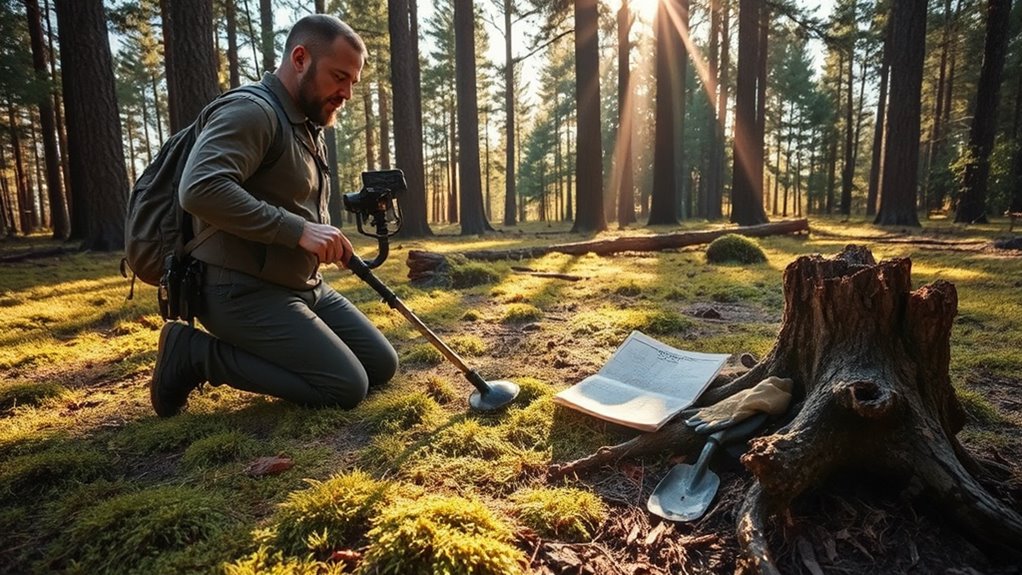
From what we’ve covered, ARPA and CFR rules protect designated archaeological sites and historical resources. ARPA bans metal detecting in designated sites and areas of historical significance, and 36 CFR 261.9 prohibits digging or disturbing resources. If you find something, stop and report it to the Forest Service to prevent artifact damage and site disturbance. You can enjoy metal detecting in designated areas, but always check the local rules first and carry any required permission. Use a detector gently, document finds, and respect posted signs and boundaries. This keeps hobbies safe, legal, and respectful for everyone. If unsure, ask for guidance and always follow directions. A sensitive 45-71 kHz frequency detector can help locate small gold nuggets without excessive digging.
Permits, Programs, and How to Participate
Before you start, check if you need a permit for metal detecting on your forest area. You can join Passport in Time projects, work with pros, and learn how to protect sites. Ask your local Forest Service office about the rules, bring a map, and share finds responsibly. A waterproof search coil allows you to detect in creeks and wet areas commonly found in national forests.
Permits For Metal Detecting
Getting started with permits can feel easy, since there are clear options and friendly support. You can often obtain special permits for tricky sites, or ask for research permits if you plan a real study. Permits protect places and people, so you learn the rules and stay safe while digging for treasure. Here are quick tips to help you prepare:
- Know which areas allow detecting with permits
- Check deadlines and who to contact at your forest office
- Keep records of your finds and your digging plans
With the right paperwork, your hunts stay fun and legal every time, friend.
Passport In Time Participation
Passport in Time makes metal detecting part of a real archaeology project you can join with proper oversight. You volunteer for fieldwork, learn from professionals, and help document finds, which makes your hobby feel meaningful. The program offers volunteer opportunities to assist researchers, dig carefully, and record locations and dates for study. You may meet archaeologists who explain why certain sites matter and how discoveries are preserved. Through Passport in Time you provide archaeological assistance while enjoying the outdoors, camaraderie, and problem solving. Check with your Forest Service office for dates, eligibility, and how to sign up.
Coins, Artifacts, and the Archaeological Context
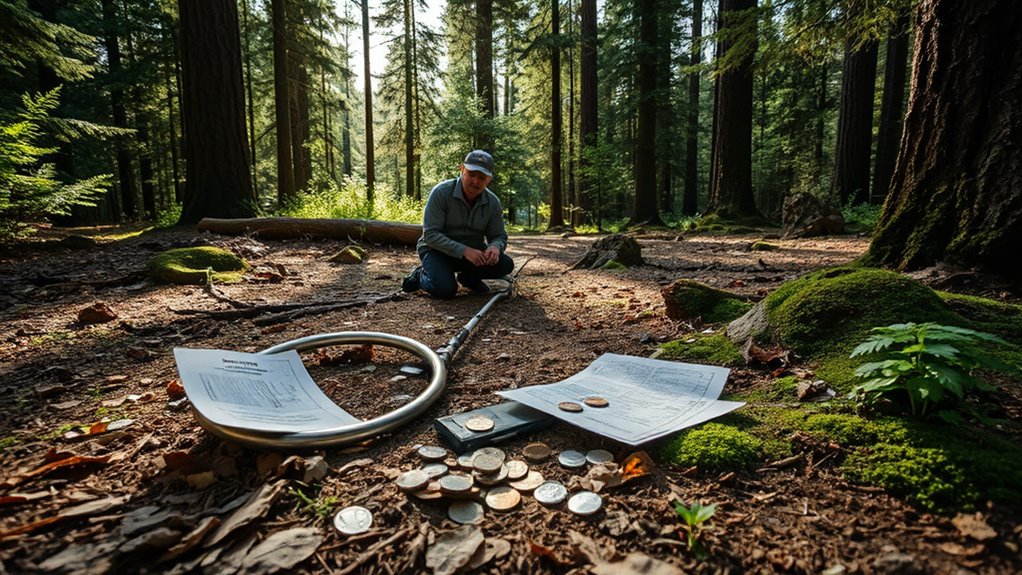
Coins can be exciting finds, but context decides whether they’re treasure or archaeology. When you dig, you look for clues that separate coin finds from real artifacts, and you learn artifact identification by comparing markings, wear, and location. You will respect the rules, ask Forest Service if unsure, and enjoy the hunt as a safe hobby.
- Respect site context to avoid disturbing resources
- Record where you found items and note characteristics
- Seek expert help for uncertain pieces
Coins and artifacts can still be friendly neighbors on your winter break adventures, so stay curious, careful, and patient, out there, friends.
Quick Compliance Checklist Before You Go
Before you head out, check your local forest office guidelines and area rules first. Then call local offices to confirm permits, times, and any area closures. Do quick site surveys to map safe routes, water sources, and good hunting spots, so you waste less effort. Pack a small finds bag, a sturdy shovel, sunscreen, water, snacks, and a flashlight. Respect wildlife and other visitors, and stay off protected areas. If you find something unusual, pause and notify a Forest Service office right away. Enjoy the hunt, stay safe, and follow all rules for a smooth adventure out there.
Frequently Asked Questions
Can I Participate in Passport in Time if I’m Not a Professional Archaeologist?
Yes, you can participate in Passport in Time as a non-professional. It is a volunteer program that offers opportunities for volunteering and public education. You’ll contribute to education, collaborate with professionals, and gain access to fieldwork and additional opportunities.
How Do I File a Notice of Intent for Gold Prospecting With a Detector?
To file a Notice of Intent for gold prospecting with a detector, submit the Notice of Intent and a mining plan as required, verify permit requirements and claim-staking rules, and coordinate with the appropriate agency.
What Should I Do if I Find a Potential Artifact While Detecting?
If you find a potential artifact, stop digging, preserve the site, and report it to the Forest Service. Document the find thoroughly with photos and notes, contact archaeologists, and follow their instructions for reporting and handling it properly.
Are There Hidden or Restricted Zones Within Designated Areas?
Yes, there are restricted zones within designated areas. You must avoid cave areas and military zones, and always check maps and Forest Service rules before detecting; permits or prohibitions may apply, and violations carry penalties.
Can Coin Collection Be Exempted if Found in a Non-Archaeological Context?
Yes, coin collection can be exempt if found in a non-archaeological context. If you’re relic hunting, you must respect private property rules and avoid archaeological sites; otherwise, consult the Forest Service for permission and proper disposal.
Conclusion
Metal detecting in national forests can be fun and rewarding when you follow the rules. Always check with the forest office first, get needed permits, and stay out of sensitive sites. Practice responsible digging by filling holes, reporting finds, and sharing your hobby safely. Bring a simple toolkit, a map, and a buddy for company and safety. Remember ARPA rules and 36 CFR limits, and celebrate every good find as part of the adventure today.


