Is Metal Detecting Worth the Investment?
Disclaimer:
This post may contain affiliate links, which means I may receive a small commission if you make a purchase through my links, at no extra cost to you. As an Amazon Associate, I earn from qualifying purchases. Thank you for your support!
Is Metal Detecting Worth the Investment? You don’t need a huge budget to start, and the experience itself can be rewarding even before you uncover big treasures.
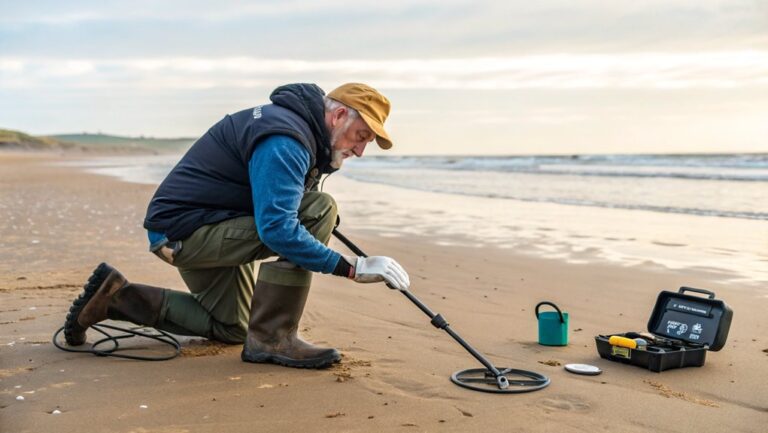
Begin with a basic detector, learn the fundamentals, and explore parks or beaches after a rain when more targets surface.
Plan for upgrades over time, like better headphones or a pinpointer, and keep a log of your finds to track the real value.
You might be surprised at where your next discovery leads.
What Metal Detecting Offers: Purpose, Audience, and Realistic Expectations
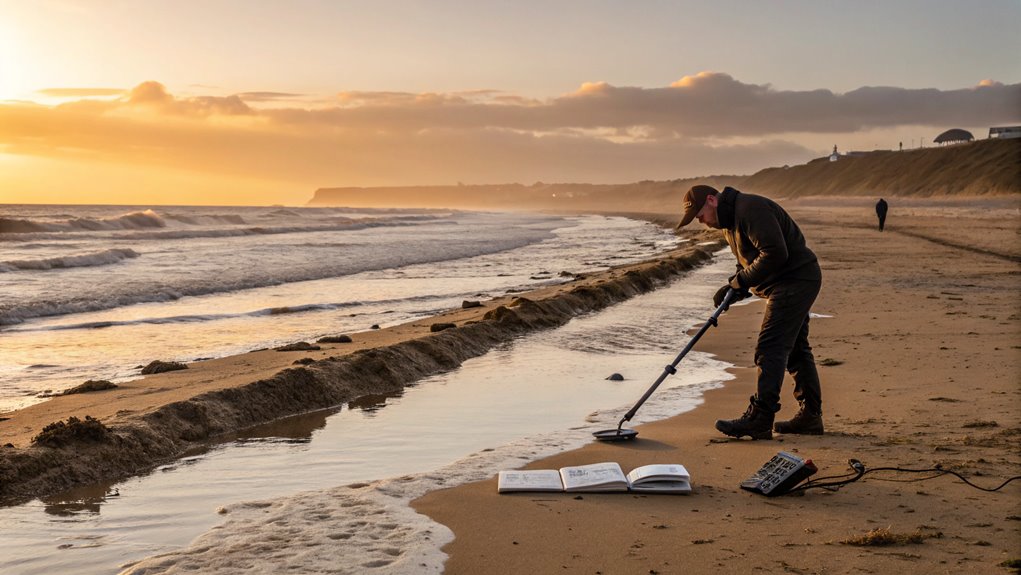
Metal detecting offers a blend of adventure and science, turning beaches into treasure hunts. Start with a simple detector and a safe, legal place to dig. Expect history lessons as you research spots, learn signals, and compare old coins with modern finds. This hobby feels like a friendly quest: you practice patience, celebrate small surprises, and stay curious.
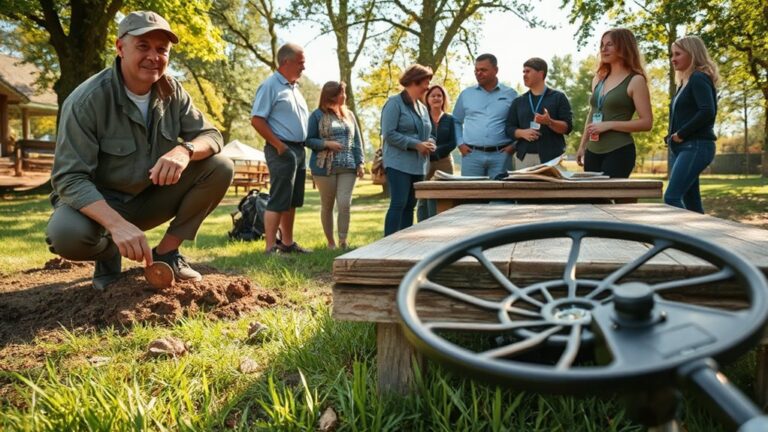
You get practical tips from others, join a club, and share finds that spark more adventure. Start simple, keep track of locations, and respect rules so the path stays fun for you and others. Over time you may unearth coins, relics, or stories you can tell with pride.
Remember, value is in the attraction, the exercise, and the history you uncover together. A lightweight detector with even weight distribution enhances comfort during long hunts, especially when using models like the Minelab Vanquish 440.
Upfront Costs for Metal Detecting Gear
If you’re curious about starting, upfront costs are quite approachable. Entry-level detectors for adults typically run about $200–$600, while kids’ models stay around $100.
For more features, plan for $500–$1,500, with some consumer units above $1,000. You’ll also need initial accessories like headphones, digging tools, sand scoops, and carrying bags, which add to the upfront price.
You may hear about detector pricing online, but start with a basic model and grow over time. A smart tip is to look for bundles that include headphones or a scooping tool to save money.
Remember that quality gear lasts, so buying smart now pays off later with fewer repairs and more hunts. Many capable models under $200 offer reliable performance, with features like 8-10 inch detection depth for finding coins and relics in varied environments.
Ongoing Costs and Upgrades You’ll Likely Incur

Ongoing Costs and Upgrades You’ll Likely Incur
As you plunge into metal detecting, you’ll face ongoing costs and helpful upgrades. You’ll notice pinpointer costs add up, and coil upgrades can boost depth and target separation. You’ll want to budget for these smart improvements so your hunts stay fun, not frustrating. With small tweaks, you’ll detect more efficiently, learn faster, and stay comfortable on long days outdoors.
- Pinpointer costs to add precision when digging
- Coil upgrades for better coverage and depth
- Wireless headphones and accessories that cut cords
- Extra batteries, cases, and tools to keep gear ready
Keep an eye on deals and seasonal sales, expand only as needed, and celebrate every useful upgrade you make. Your curiosity will grow, and the hobby will stay affordable and exciting.
Can Metal Detecting Pay for Itself? An ROI Framework
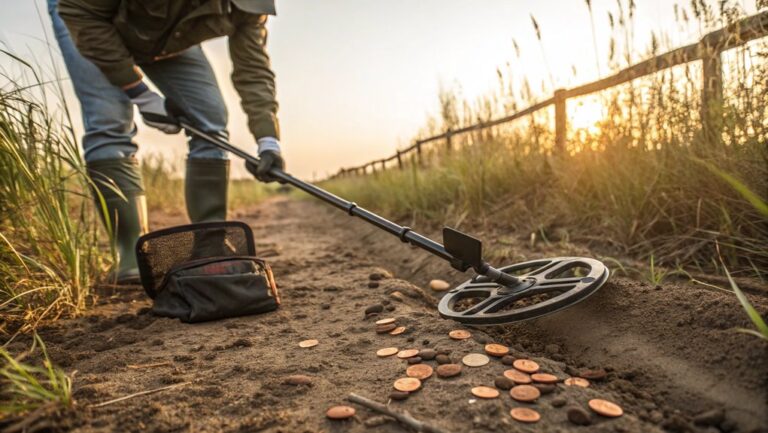
You can start thinking about ROI by weighing what you pay for gear against what you actually recover from finds. The math gets simple when you focus on finds’ value and a plan for location scouting. If you buy a midrange detector for $700 and you find enough coins, rings, and relics, you start to see payoff over months rather than days.
Keep expectations practical and stay curious. Track what you find, how much it is worth, and where you hunted. If one site yields $40 in a few hours, you can compare that with gas, snacks, and time spent, then decide whether to revisit or try new spots. Remember, location scouting improves your odds and keeps the hunt enjoyable for you and friends. Detectors with higher frequencies like the Gold Bug 2’s 71 kHz operate at 71 kHz for enhanced sensitivity to small gold nuggets, increasing your chances in mineral-rich areas.
Beyond Money: Lifestyle, Health, and Community Benefits

Packed with perks beyond money, metal detecting feels like a mini adventure you can start today. You’ll get outside, move a lot, and learn signals, ground balance, and patience. It becomes easy stress relief and a simple outdoor therapy, because you focus on the hunt rather than daily worries. Each pull of the coil is a small choice for steady activity, social chats, and a sense of discovery. You can tailor trips to nearby parks or beaches, making hobbies fit your schedule and mood. The payoff is more than coins; it’s confidence, stories, and new places to explore with friends.
- Get fresh air and light exercise
- Explore parks and beaches legally together
- Meet friendly hobbyists and swap tips
- Save memories and stories for keeps
Frequently Asked Questions
What Are the Hidden Costs of Maintenance and Repairs?
Hidden maintenance costs include replacing coils when worn, repairing rust on metal casings, and upgrading seals to prevent moisture damage. You’ll also incur expenses for batteries, pinpointer upkeep, and occasional coil tuning to maintain consistent sensitivity.
How Long Does It Take to Become Proficient?
Proficiency comes with practice. Expect a learning curve of several weeks to months, depending on how often you train. Stay patient, focus on target discrimination, ground balance, and skill development, and you’ll improve with each outing.
Are There Legal Permissions Required for Most Sites?
Most sites require permission. Obtain landowner consent or the appropriate permits before detecting, and always respect private property. Check local rules and regulations, as some public areas also require authorization from site administrators or park services.
Which Features Justify Premium Detector Prices?
Premium detectors justify their price by offering frequency discrimination and precise ground balance, improved target recovery and deeper detection, tougher construction, advanced target IDs, faster processing, wider coil options, longer warranties, and reliable performance in challenging environments.
How Do Detecting Results Vary by Location?
Results vary by location: you’ll find Park finds in parks, while beach hunting often yields coins and jewelry near water; trash density and local regulations shape your success in both Park finds and beach hunting.
Conclusion
Bottom line: metal detecting is worth it for adventure, not just cash. You can start with a basic detector for under $100 and upgrade later as you learn. Try local parks, beaches, or old schoolyards, and keep a simple log of finds and places. Pack water, sunscreen, a small shovel, and a pouch for coins. Stay patient, join a finder’s group, celebrate tiny wins, and you’ll feel fit, curious, and connected.