Metal Detecting: Where to Look for Old Coins
Disclaimer:
This post may contain affiliate links, which means I may receive a small commission if you make a purchase through my links, at no extra cost to you. As an Amazon Associate, I earn from qualifying purchases. Thank you for your support!
When metal detecting, knowing Where to Look for Old Coins can make all the difference between an empty pouch and a great find. Start by checking old foundations, porch edges, and worn footpaths where people once gathered and often dropped coins.
In parks and near schools, focus on high activity zones like benches, play areas, and entrances, digging only a few inches deep where older coins tend to settle.
Always get permission for private locations, bring waterproof gear if you search near water, and fine tune your detector for mineral rich soil. Using target IDs wisely can help you spot likely coins, and there is still much more to uncover.
Why Older Sites Yield More Pre‑1940 Coins

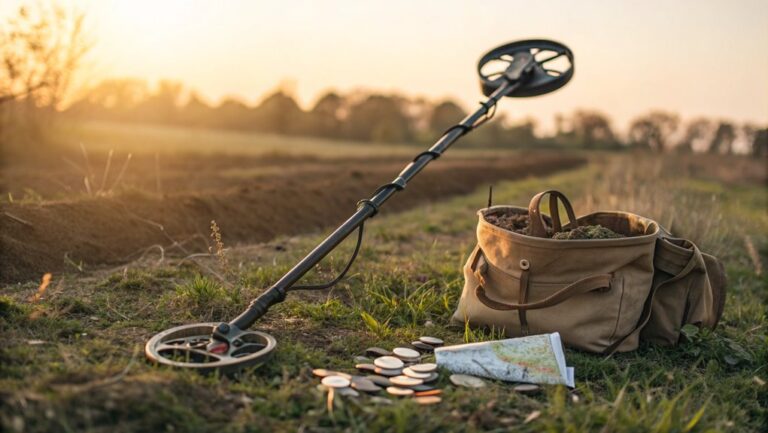
Older sites yield more pre-1940 coins because decades of drops have piled up near doors, porches, and paths. You’ll notice that older places often offer better chances, since people walked there daily and left coins behind. Soil turnover mixes layers, so older drops stay near the surface within a few inches of soil, not buried deep. If you’re chasing signals in mineral-rich soils, use a detector with adjustable ground balance to separate targets from mineral interference.
The idea of historical use can help you plan hunts, since busy spots like entrances or sidewalks collected coins over many years. Focus on cemeteries, small towns, and old yards after storms when roots bring new soil to the surface.
Bring a metal detector, a light shovel, and patience, and enjoy the treasure hunt. You’ll get faster at reading signals and spotting shiny surprises together with friends. Remember to obtain permission for sites and follow local laws.
Old Homes: Yards, Porches, and Perimeter Hotspots
Stepping onto old home sites, you’ll spot hotspots around yards, porches, and walkways where coins hide. When you hunt, start with foundation searches to map the edges where doors and steps stood long ago. You’ll often find coins along paths created by foot traffic, so pay attention to the first few feet inside gates and along porch rims.
Move slowly along walkway patterns, sweeping in even arcs to cover cracks and joints. Dig small signals carefully, resetting dirt softly so you don’t miss other targets. Keep notes about yard features, then check curb strips nearby for extra drops.
Stay organized, stay patient, and celebrate tiny finds with a friend. You’ll discover that old homes hide stories beneath the dirt, waiting for your next discovery. Use automatic ground balance to minimize mineral interference as you sweep along foundation edges.
Parks and Schools for Pre‑1940s Coin Finds

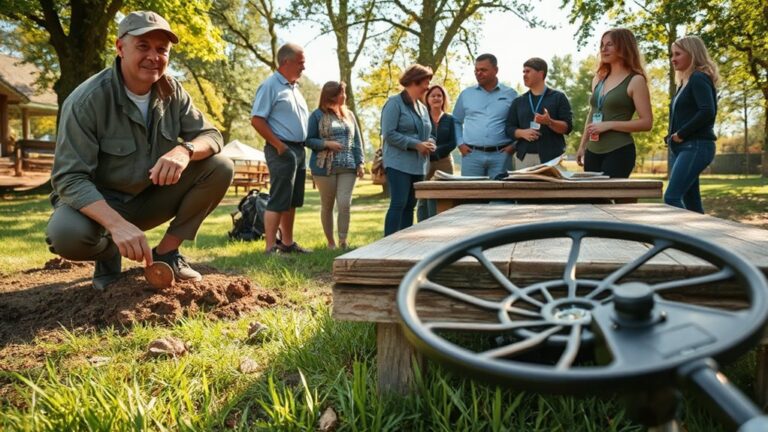
Parks and schools are fantastic places to hunt for pre‑1940s coins because they hold decades of dropped surprises. You’ll find coins along worn paths, near benches, and under old trees where people gathered for playground history and school events. Modern detectors with high-resolution Target ID help differentiate coins from junk, improving efficiency for repeat hunts Target ID.
Your metal detector can swing over playgrounds after a sunny recess, and you might hear a ping from a wheat cent hiding in the dirt. Look at the edges of sidewalks and curb strips where kids once walked between classes, and check ball fields after games for lost dimes or older finds.
Stay friendly with park staff, respect rules, and log your finds for future hunts. You can map spots that repeat each season and compare notes with friends to improve your skills every time.
Churches and Community Gathering Places for Old Coins
Churches and old social spots can yield surprising coin finds near entrances and walkways. Move with curiosity, sweep with a light touch, and listen for signals that something old might be hiding under the edge of a path. Churches built before 1900 often have coins around steps and doors, where people pause and drop small keepsakes. Picnic grounds and revival sites nearby also collect dropped coins from big gatherings, creating a neat pattern over generations.
To start, bring a light detector, pinpointer, and a kneeling pad to stay considerate of grassy spots. Scan entrances carefully, then broaden your search to adjacent areas where crowds once gathered. Be respectful, fill any holes, and note picnic grounds and revival sites for future hunts. If you’re on church or private property, obtain permission first and follow any posted rules.
Water‑Based Sites: Beaches, Rivers, and Old Swimming Holes
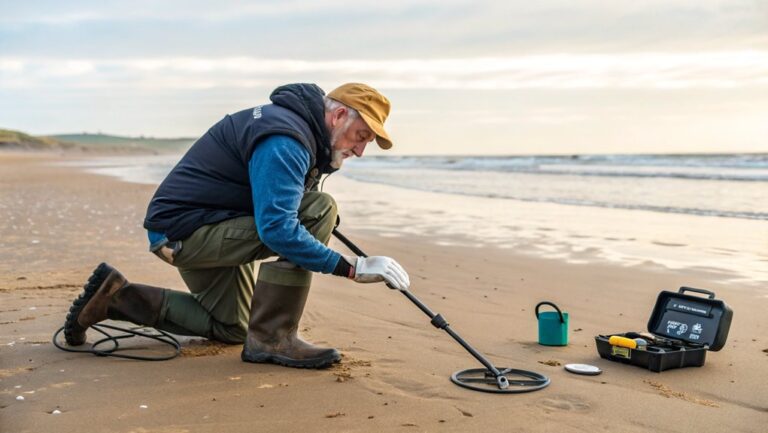
Water-based sites like beaches, rivers, and old swimming holes are treasure chests for finds. You can hunt wet sand near tidal zones where coins hide in damp pockets, and you learn to listen for soft signals under shallow water. Stay safe, keep your detector low, and respect local rules and fellow beachgoers. With patience, submerged areas reveal older coins in clear gravel or mud layers.
- Learn to read wave and mud lines for clues.
- Check near old docks, swim areas, and boat ramps.
- Bring a waterproof scoop and practice quick recoveries.
With time you will build a simple routine, stay curious, and enjoy the hunt. Remember submerged areas change with tides, so plan around tide tables and find stable, safe spots each time.
Frequently Asked Questions
What Relics Besides Coins Should You Target in Old Sites?
Besides coins, target relics such as buttons and buckles, fragments of antique jewelry, watch parts, military insignia, glass bottle shards, marbles, and pottery fragments that reveal daily life at old sites, with tips for locating.
How to Identify Likely Coin Depths Without Digging?
You estimate coin depths by listening to ground signals and noting visual cues; perform a light probing tap to assess hardness, map soil layers, and use expected depth ranges. Practice by comparing signals at known depths (such as 6–10 inches) and refine your estimates before digging. Keep notes of your observations to improve accuracy over time.
What Are Best Entry-Level Detectors for Relic Hunting?
Relic hunting? Start with basic metal detectors such as the Garrett Ace 200/300, Fisher F22, or Minelab Bolt; they’re reliable. Look for models in the 8–12 kHz range or those with adjustable frequency, and prioritize iron bias and target ID features. Budget options are available today.
Are There Legal Restrictions on Detecting in Parks?
Yes. Check with the park authorities about permitting, and be aware that you may assume liability for any damage, fines, or policy violations. Many parks prohibit metal detecting altogether or limit it to licensed events, so always verify first.
How Do Weather and Seasons Affect Old-Coin Finds?
Weather and seasons matter: you’re more likely to find old coins after spring rains and during fall when the soil loosens and targets surface. Dry summers reduce signals, while winter freezes can compact soil or bury deeper finds.
Conclusion
Finding old coins is a friendly adventure you can start today, right in your town. Look for yards near old foundations, worn paths in parks, and church entrances, where coins are more likely to surface after years of activity. Use a detector with good ground balance, check target IDs, and sweep slowly to avoid missing signals. Remember to ask permission on private land, wear waterproof gear near water, and map your finds to guide future hunts for better luck.